- North East South West North
- 22 March, 2024 – 14 April, 2024
- Bačva Gallery, HDLU
- Zagreb, Croatia
- Solo Exhibition
- Event website ◳
Text by Mladen Lučić.
The new series of works by Damir Sobota, presented at the Bačva Gallery of the Croatian Association of Fine Artists (HDLU), represents a logical continuation of his previous explorations characterized by a unique approach to questioning the concept and nature of the painting. It is paradoxical in relation to this claim that Sobota does not paint using techniques and materials that conform to the established definition of painting; instead,
he uses the collage technique to reexamine these concepts. Using, conditionally speaking, the language of geometric art, the artist emphasizes a non-narrative artistic language close to minimalism and the principles of primary and analytical painting. In doing so, he
corresponds with the period of the 1970s when painting found itself at an almost zero point due to the dominance of conceptual art. Sobota’s previous work is, in a way, based on a kind of conceptual process, evident in his conceptual approach to solving painting problems
exclusively through the collage process. He insists on the process as an artistic category, equalizing the meaning of the final product with the very process of creating the work. This process involves not only the physical but also the mental aspect, crucial for the proper
perception of the artist’s works. Already as a student, Sobota began with a systematic approach to the elementary concepts of the image, trying to present it as a fact, initially using graphic means, then assemblage, and finally collage. His creative output is self-referential, as it is focused on his own reflections and experiences regarding the nature of painting, its
primary categories, and means of expression. The absence of colouristic features in Damir Sobota’s paintings is a logical consequence of such thinking, and the ascetic abstinence from colour, gesturality, fabula, and expression has resulted in a deliberate reductionism
that manifests itself through precise execution and exploration of new possibilities in the domain of minimal and elementary art. The artist’s works can only conditionally be called collages, as they are such only in terms of technique, which is why they differ significantly from the conventional understanding of this medium, characterized by the emphasis on objects, the explicitness of the process, and narrative nature of the content since the Cubists.
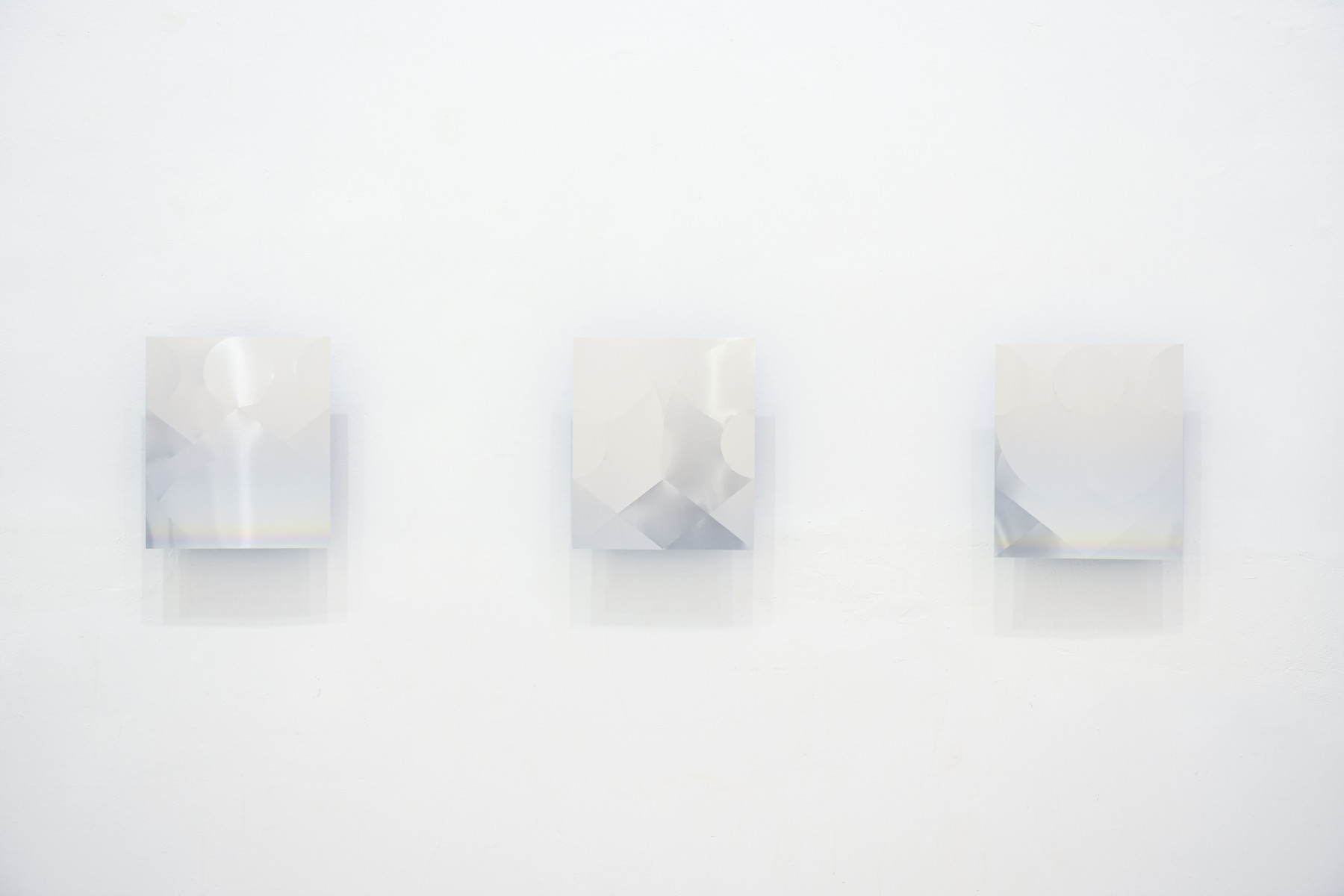
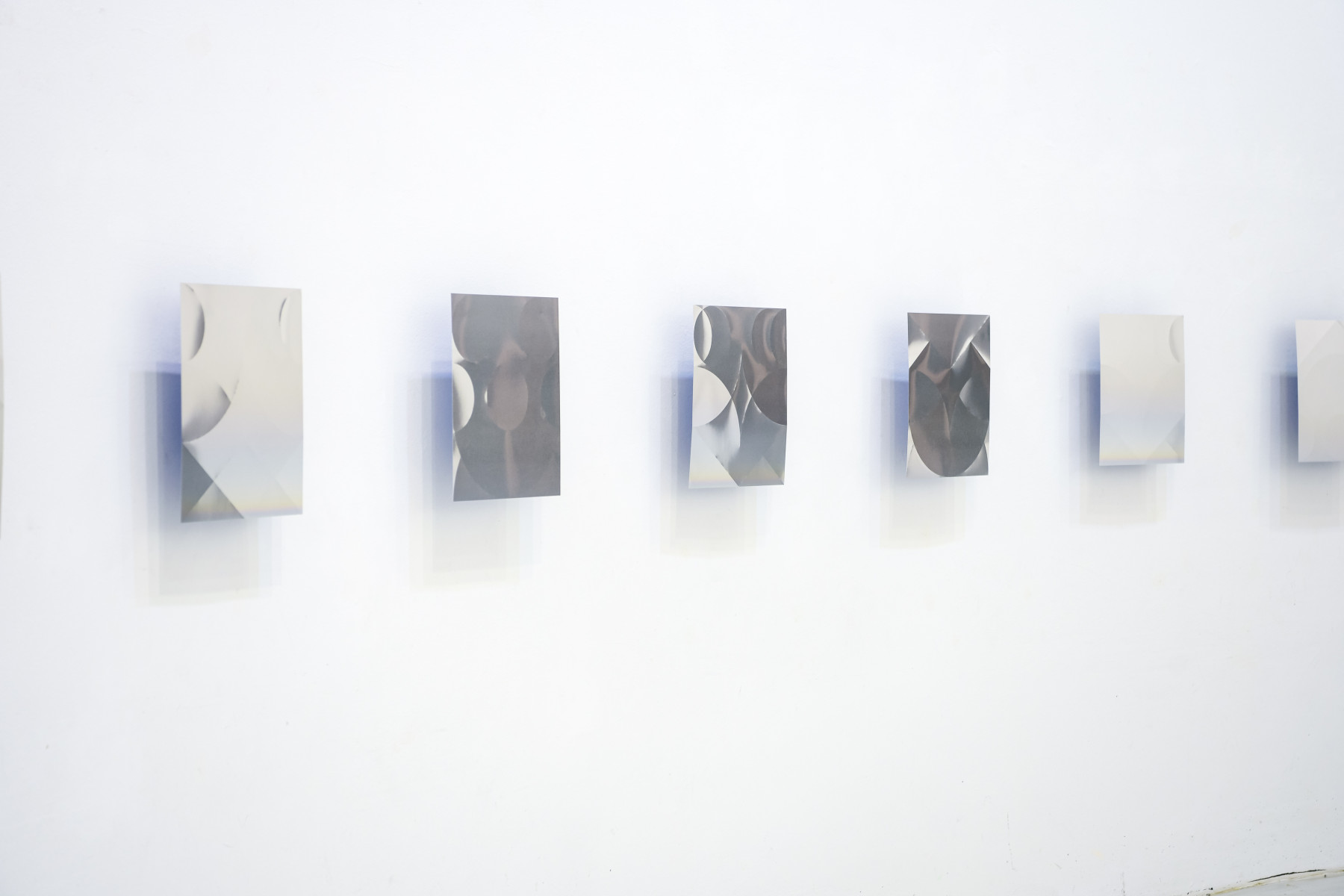
None of these elements are present in the artist’s works. In fact, observing them from a distance, most observers would conclude that they are classic paintings created with oil or
acrylic on canvas. The previous series, culminating in the exhibition Palindrome at Lauba, presented collaged paintings of biomorphic and geometric representations. Individually, they depicted vases with their silhouettes, and when combined into triptychs, they imposed a serial reading where the beginning or end was inconsequential, as such distinctions simply do not exist in Sobota’s paintings. Although the composition logically fills the given
surface of the canvas, it also seeks an extension beyond the format. These paintings, in terms of their ornamental space, mathematical definition, geometric logic, and ultimately their formal qualities, remind me of the vases of the Dipylon style of early ancient Greek
art (10th – 8th century BC). This style alternates horizontal rows of narrative scenes with those of geometric-abstract symbols. A similar articulation of the horizontal organization of the surface can be found in the aforementioned Sobota’s paintings. This is even more pronounced in the abstract objects presented at the same exhibition. These objects retained only those elements related to the exploration of the primary characteristics of the image. Now it is not about collaging but about patiently cutting and layering multi-coloured
papers on top of each other. This transformation turns the edges from being peripheral to
becoming frontal. The side, upper, and lower edges of the papers, usually unseen, are now exposed to the audience. With such a procedure, Sobota draws attention to the fact that the edges are integral and indivisible content of the painting, even though they are mostly outside the scope of our accustomed visual perception. These objects fully confirm that, for Sobota, the working process is as important as the final appearance of the artefact. This is evident in his new paintings and objects presented at his recent exhibition, reflecting a
distinctly personalized art that foregrounds the elemental nature and essence of the work of art. These works are completely devoid of fabula, symbolism, and other narratives. They could be interpreted as a kind of homage to minimal art but also as an addition to analytical explorations, leaning more towards the exploration of plasticism than painting techniques.
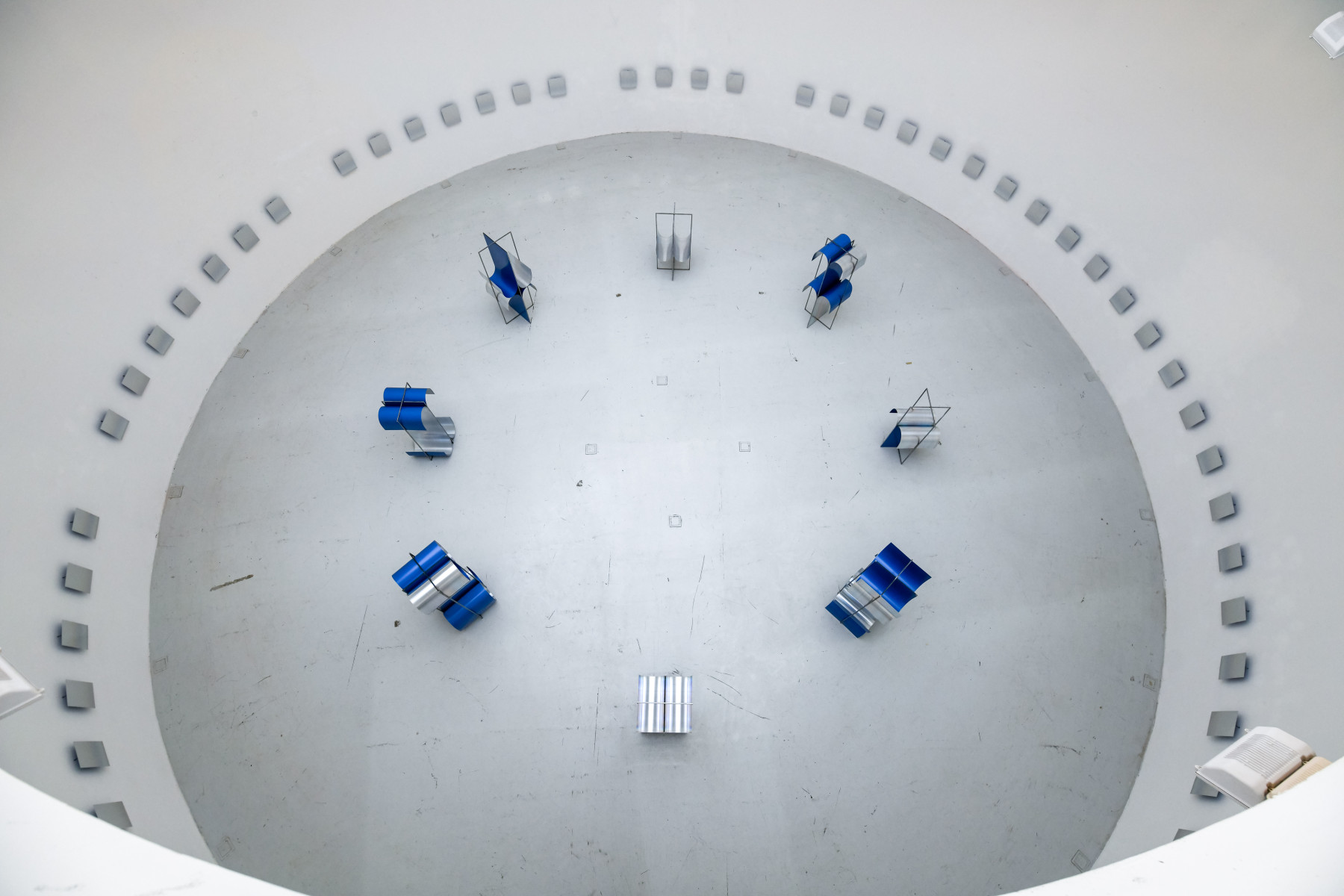
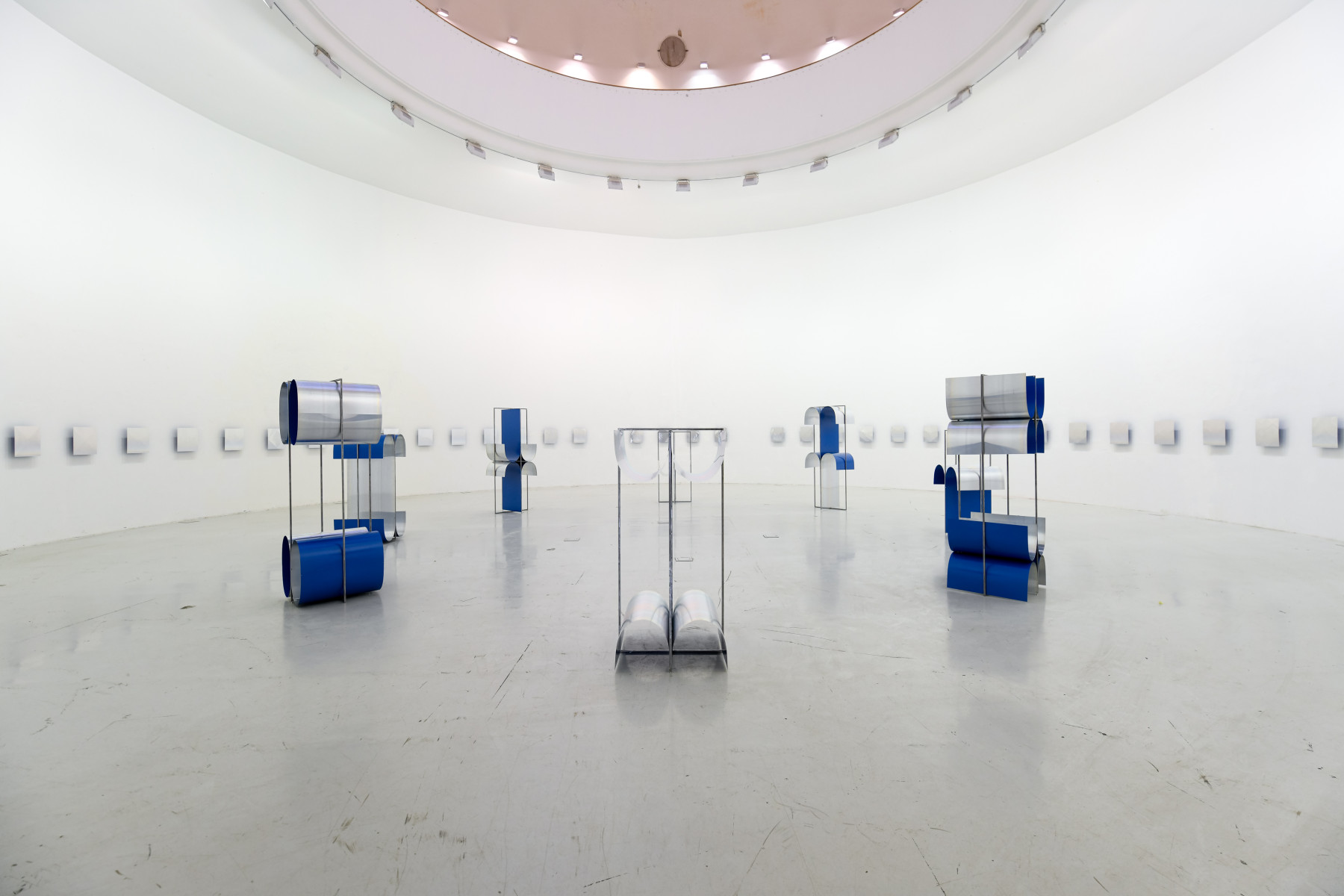
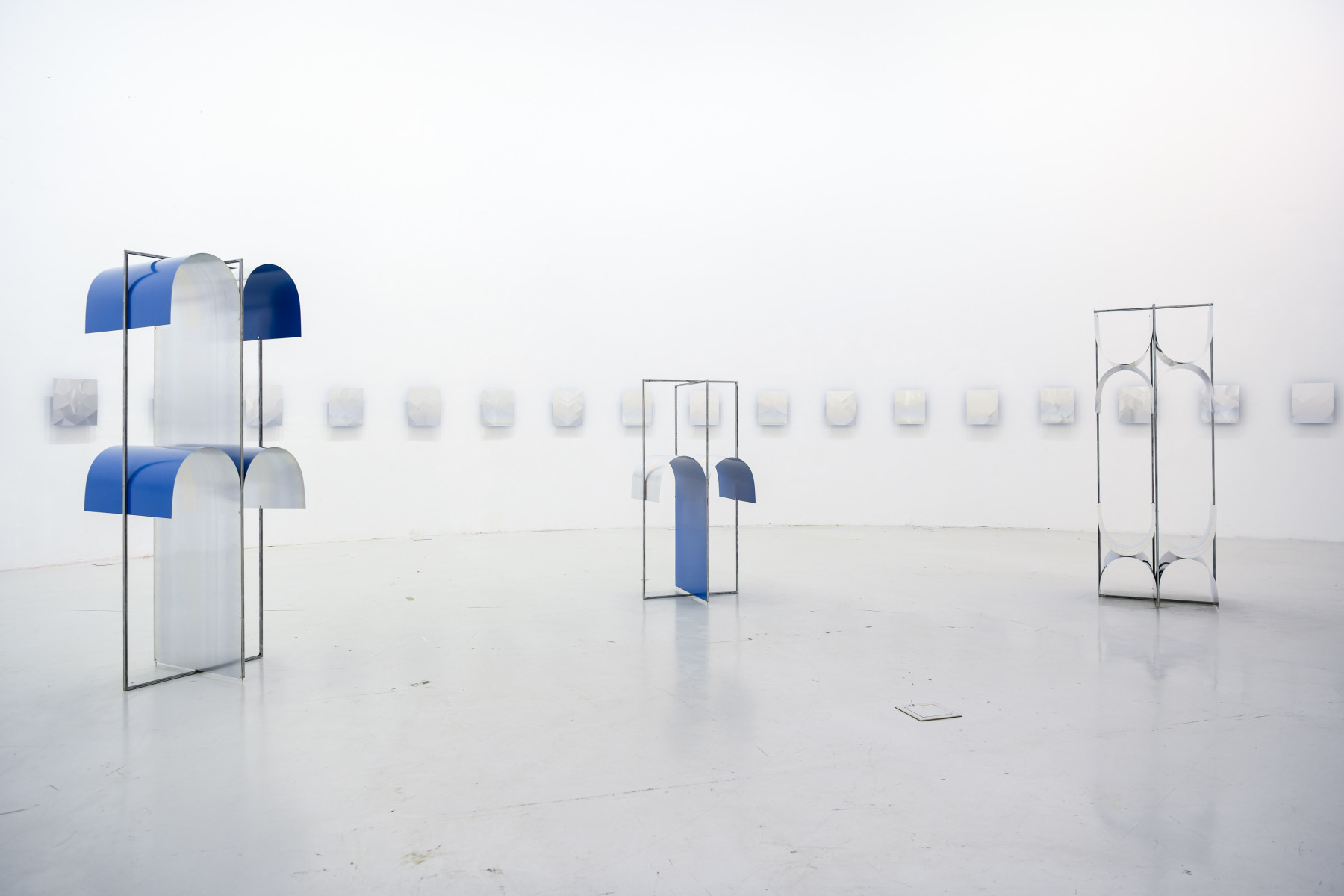
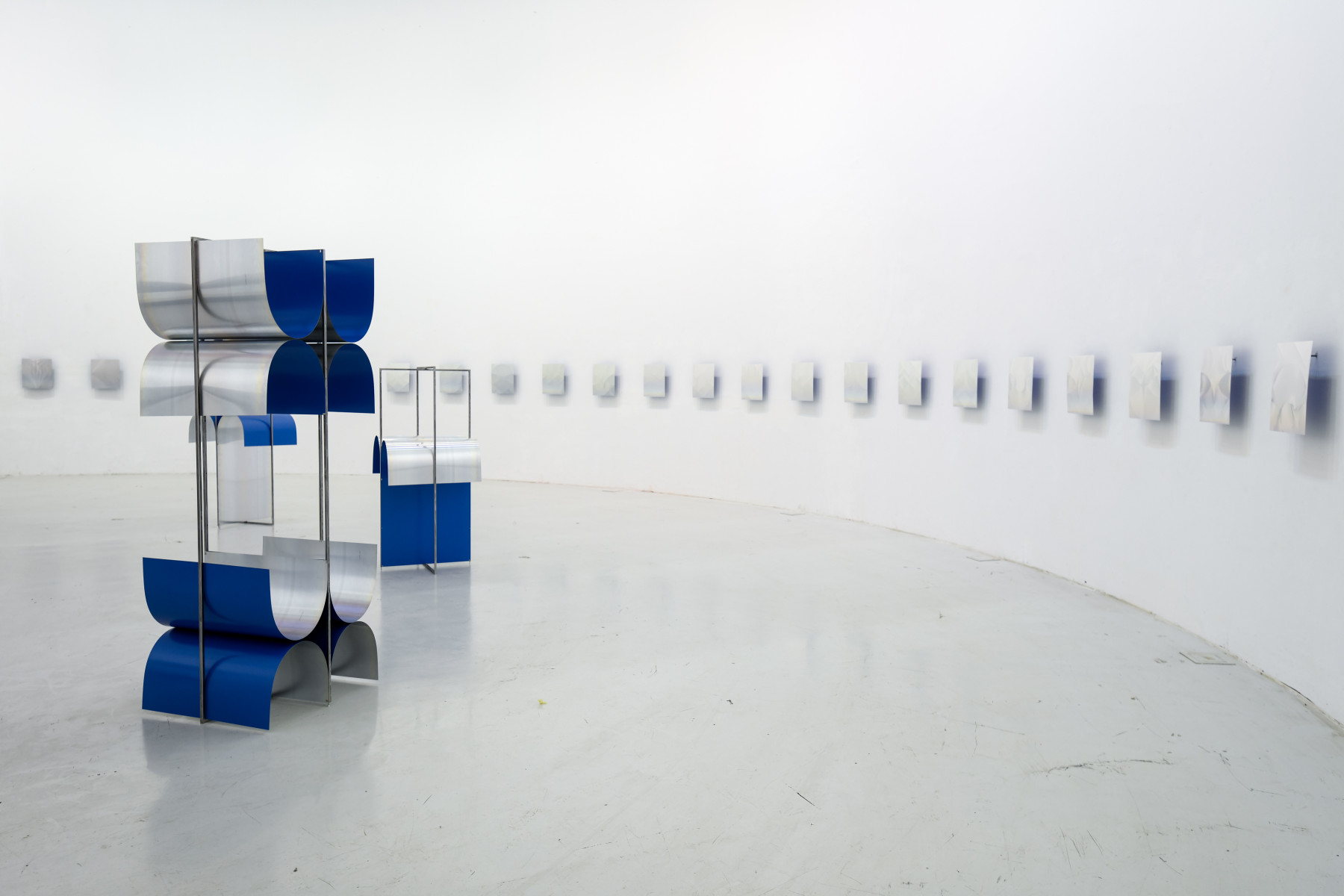
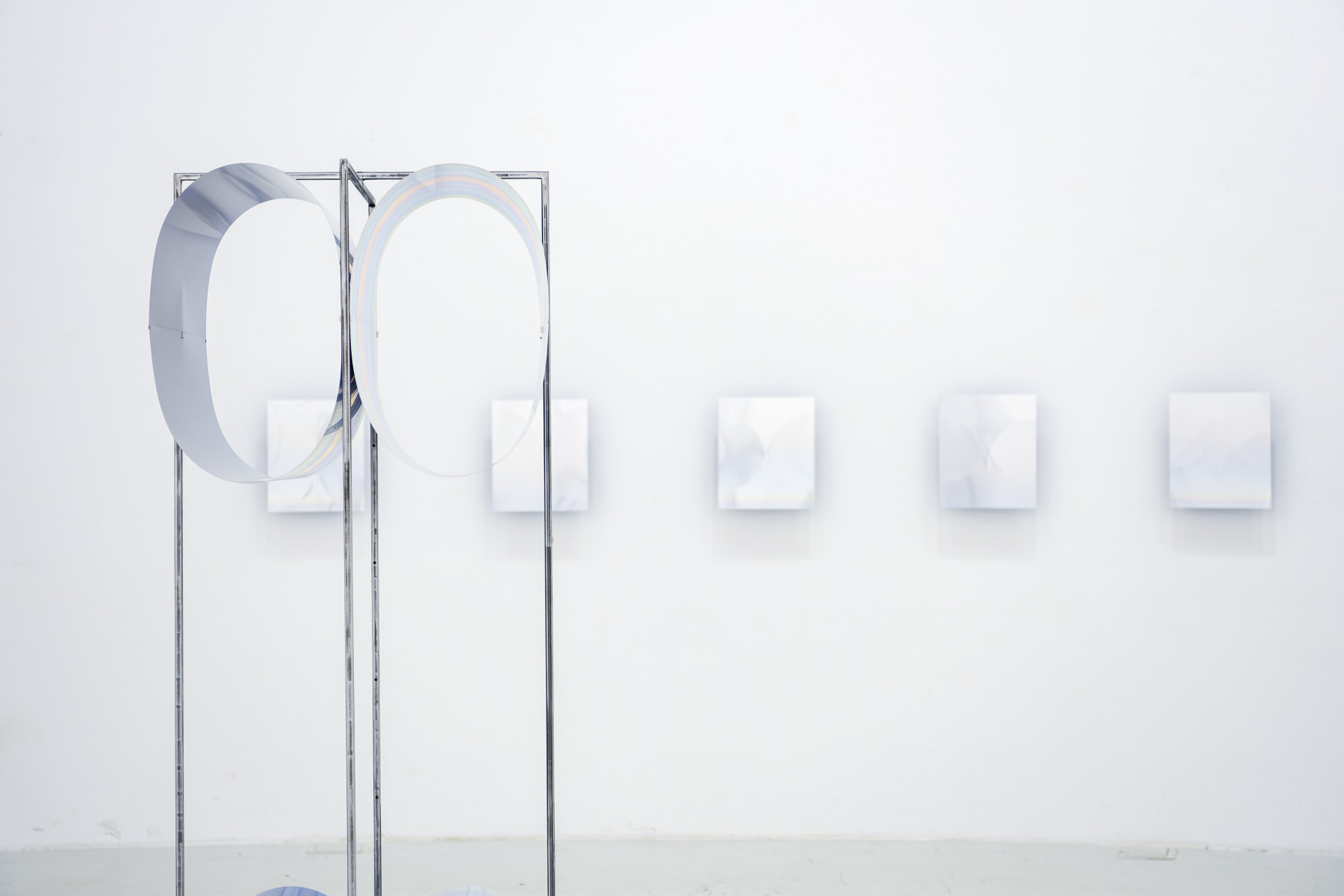
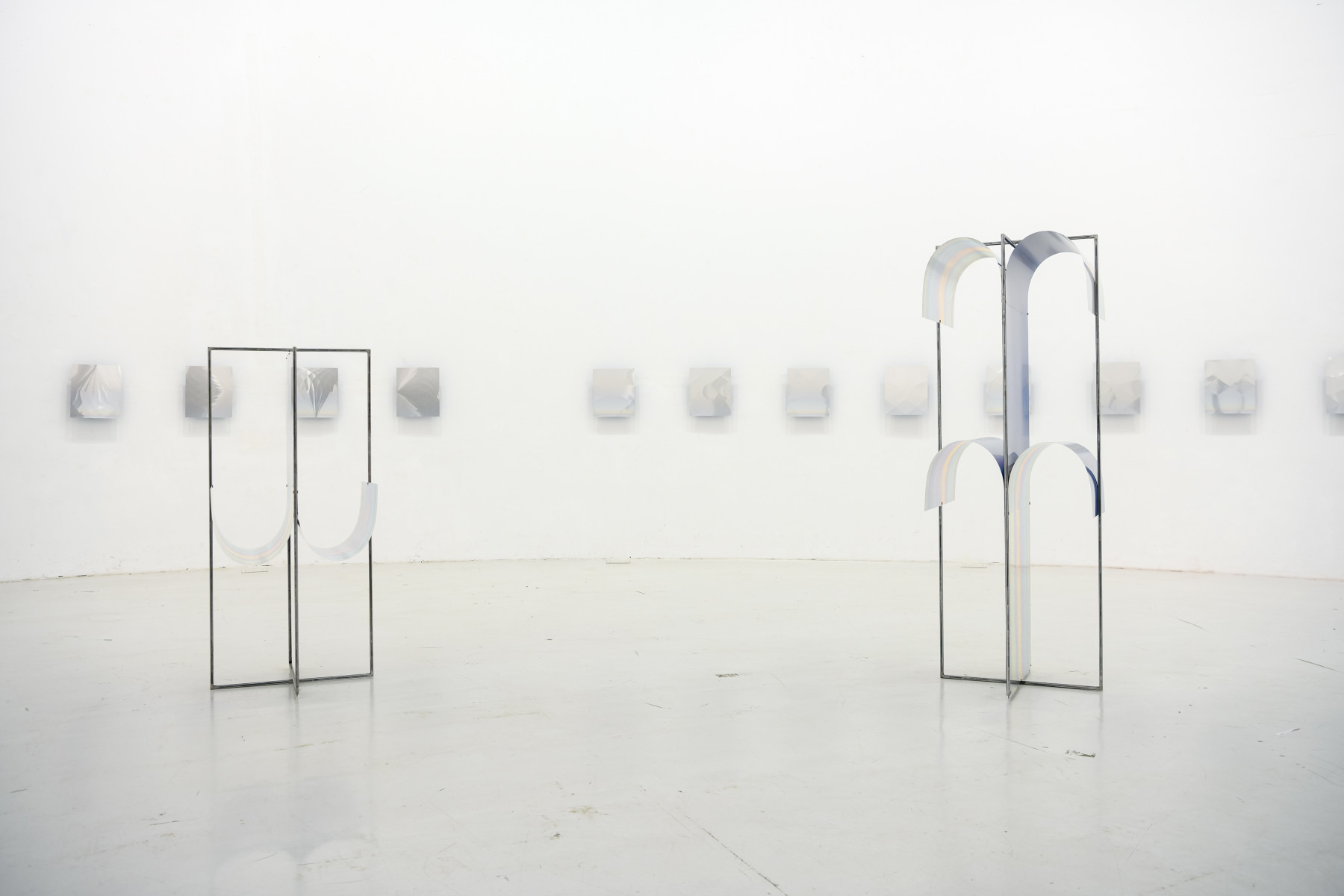
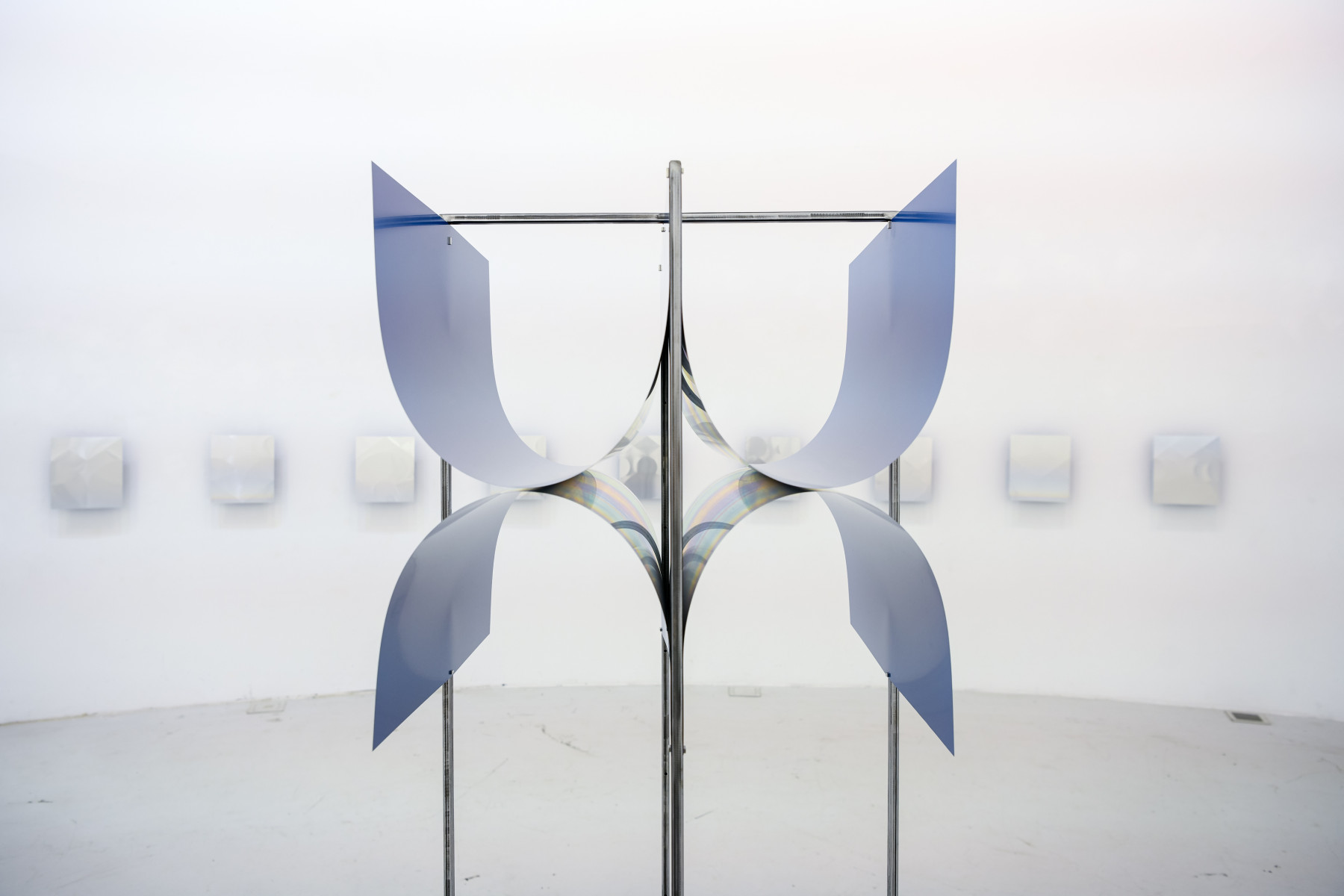
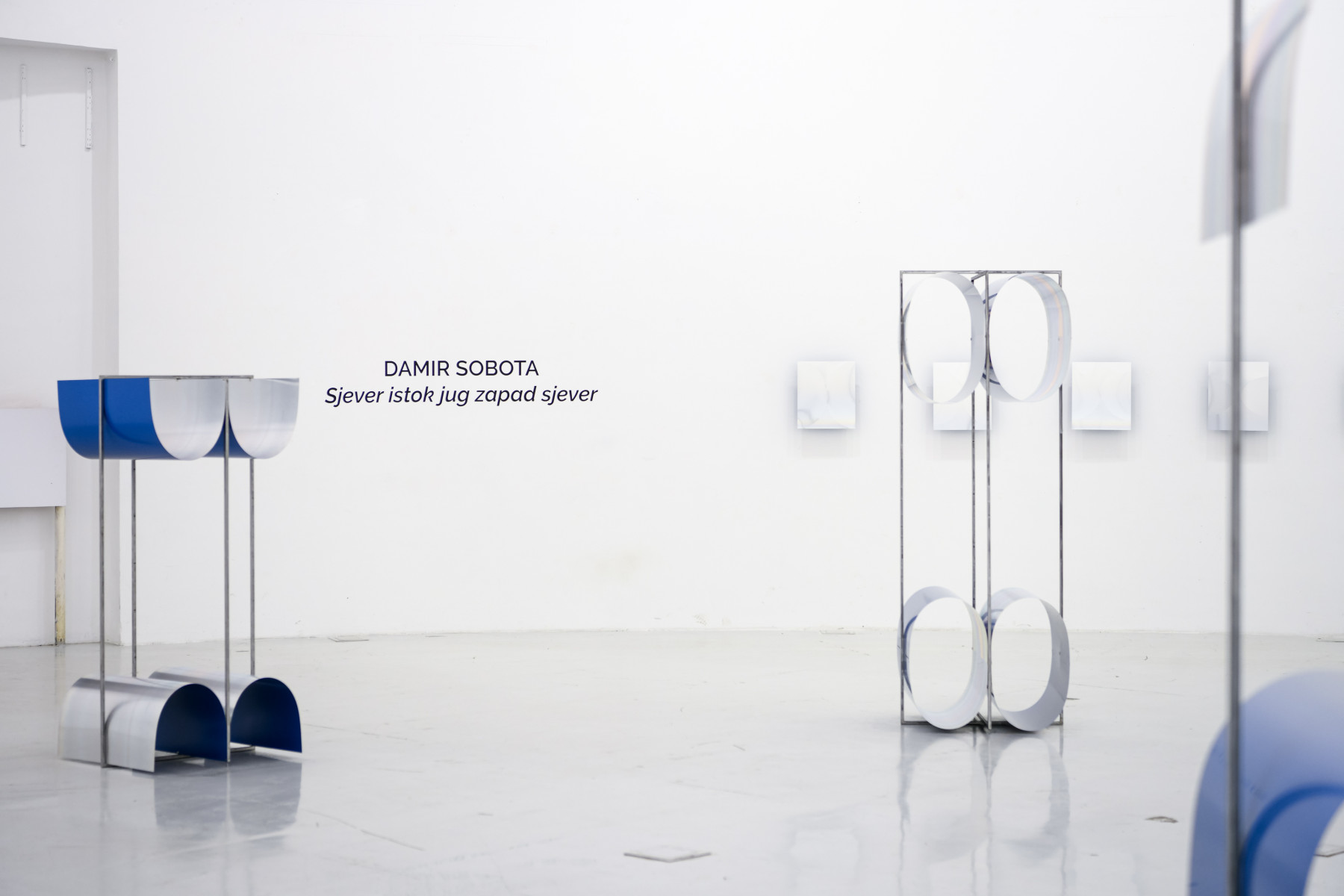
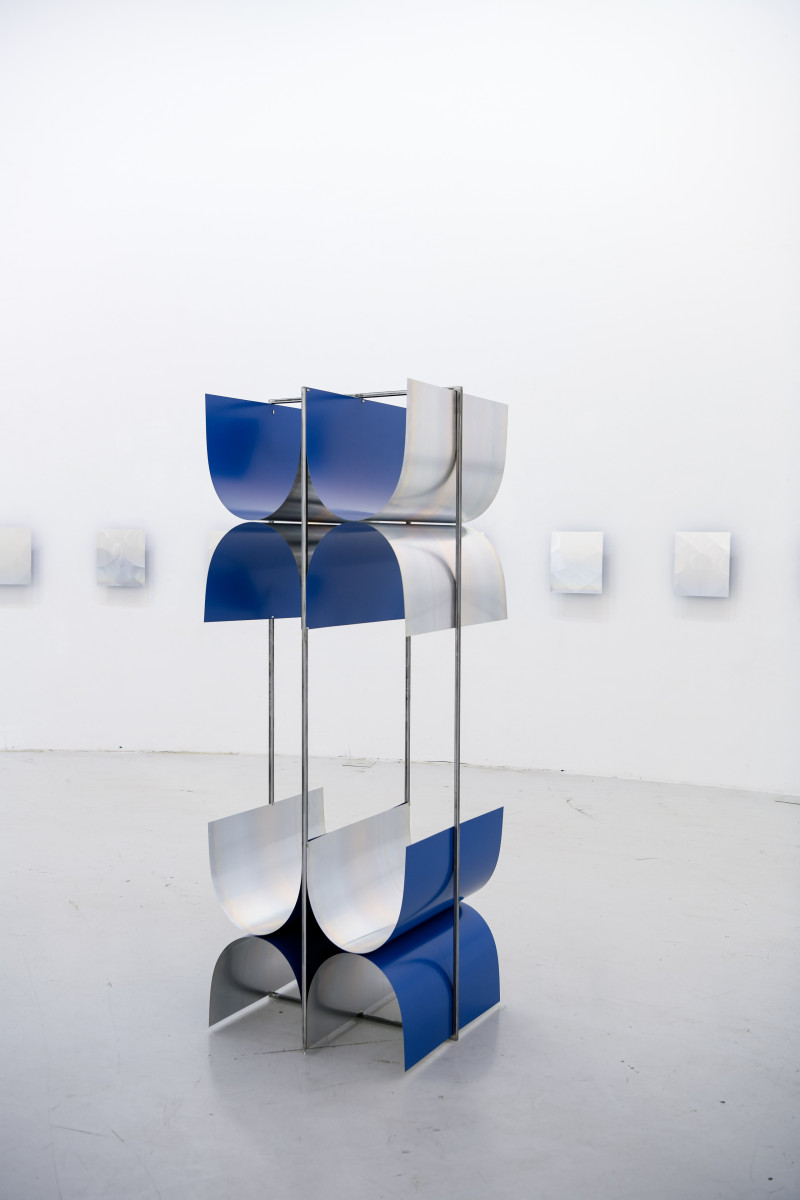
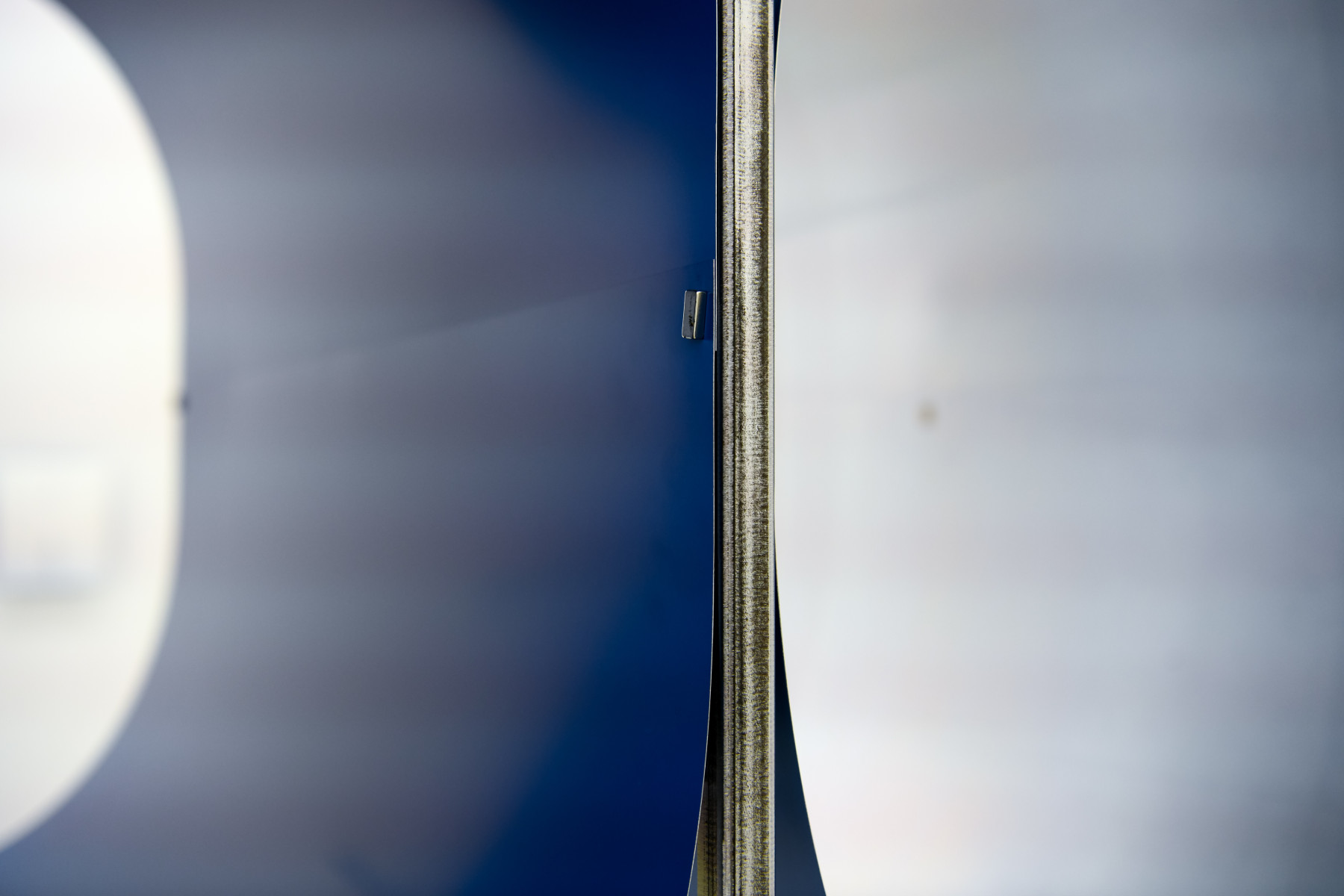
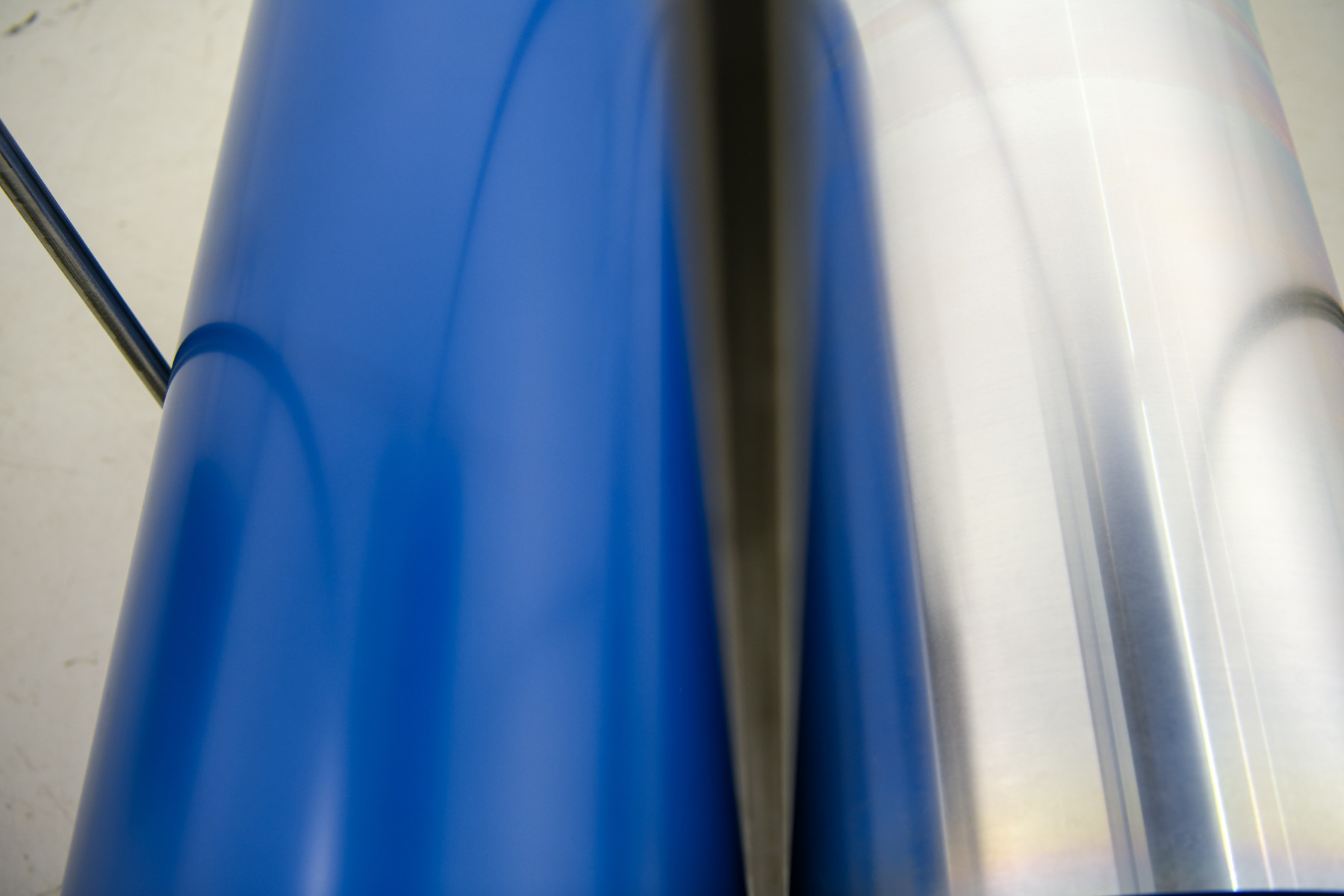
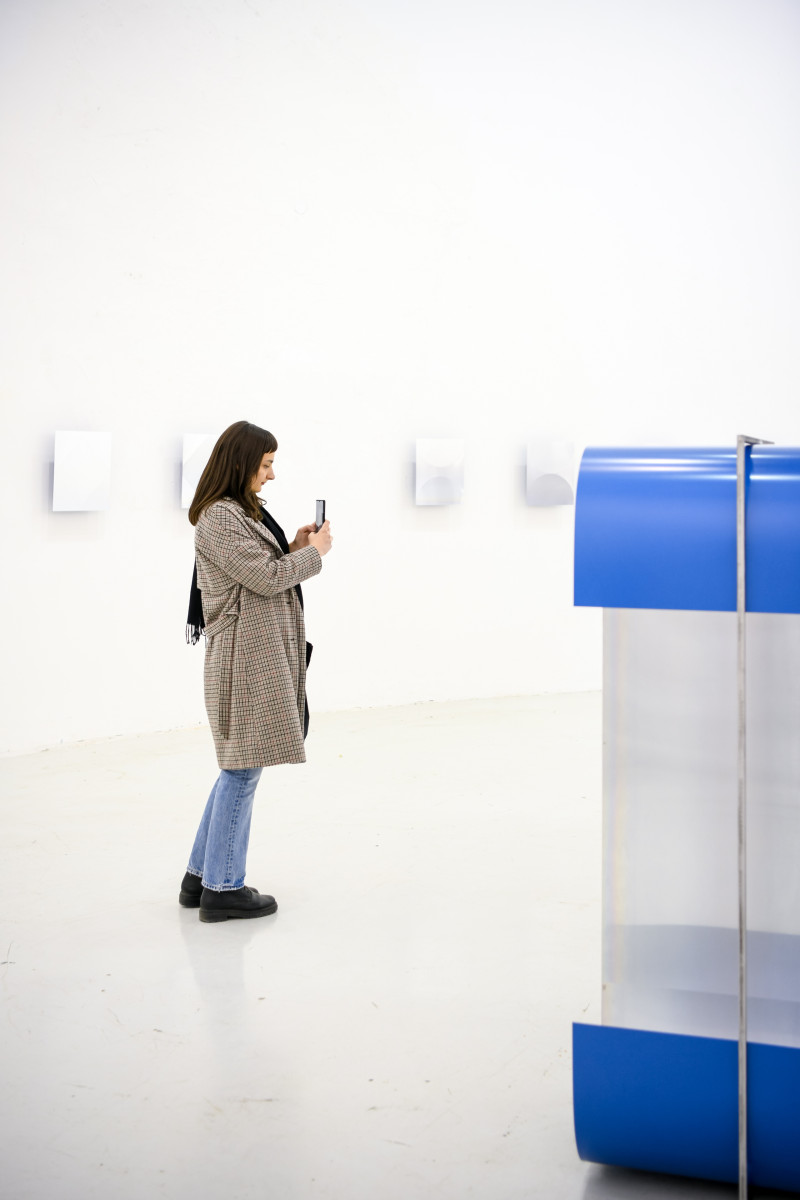
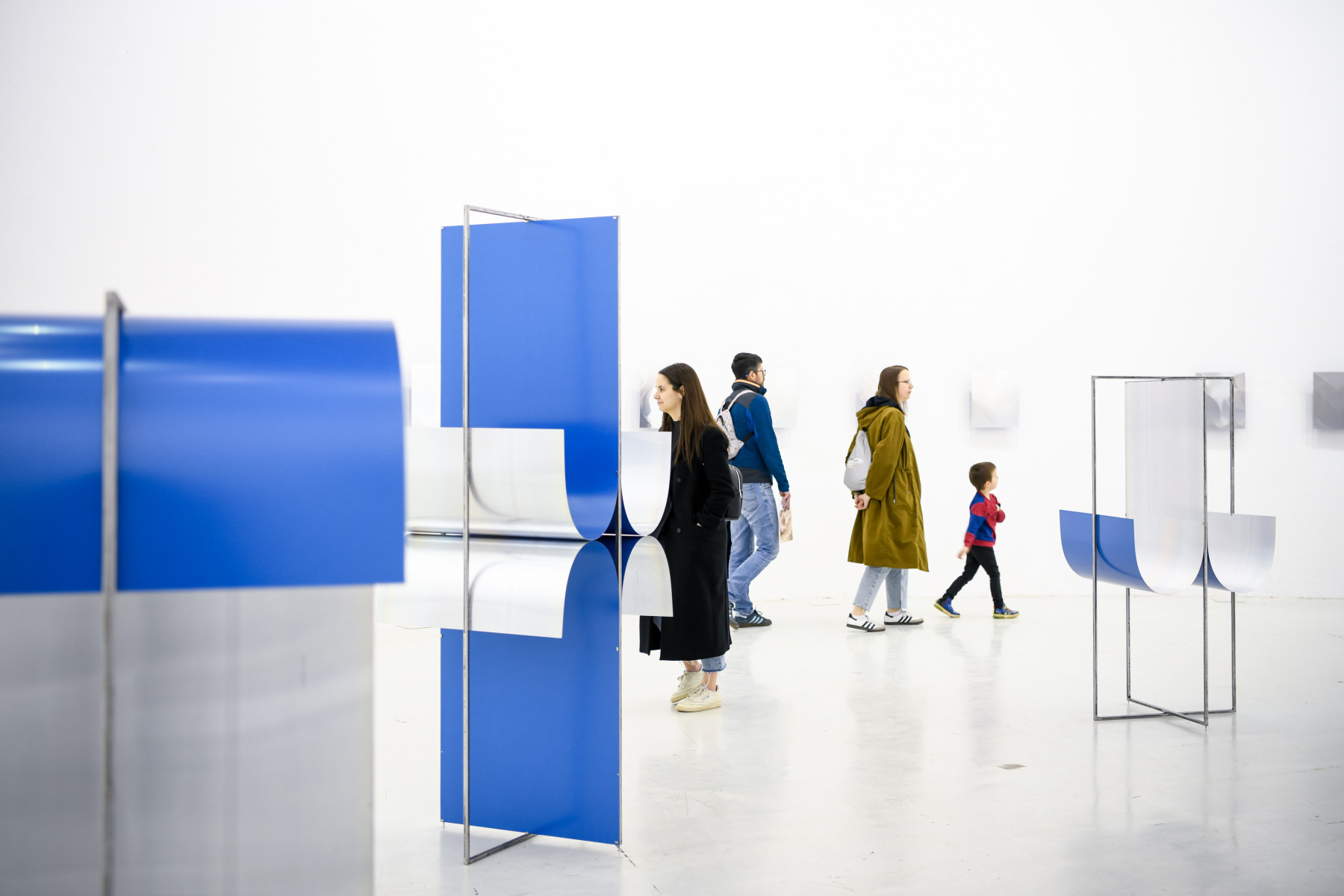
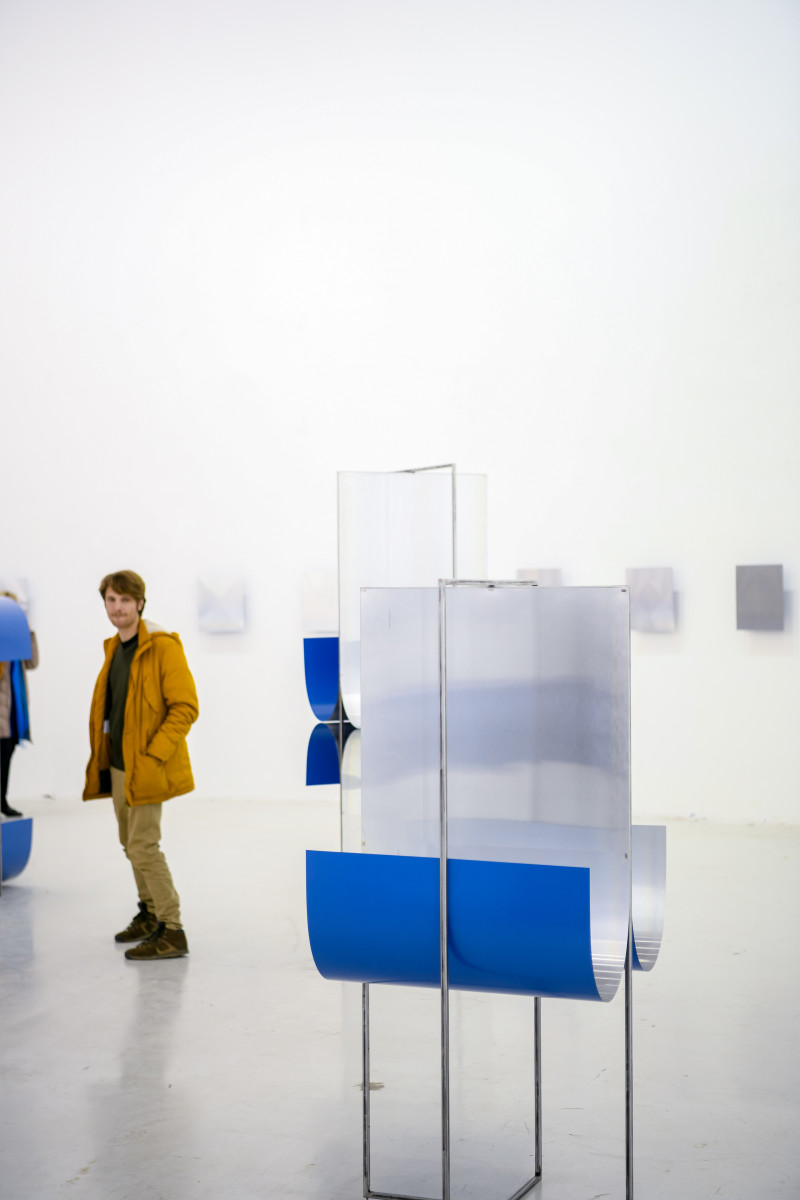
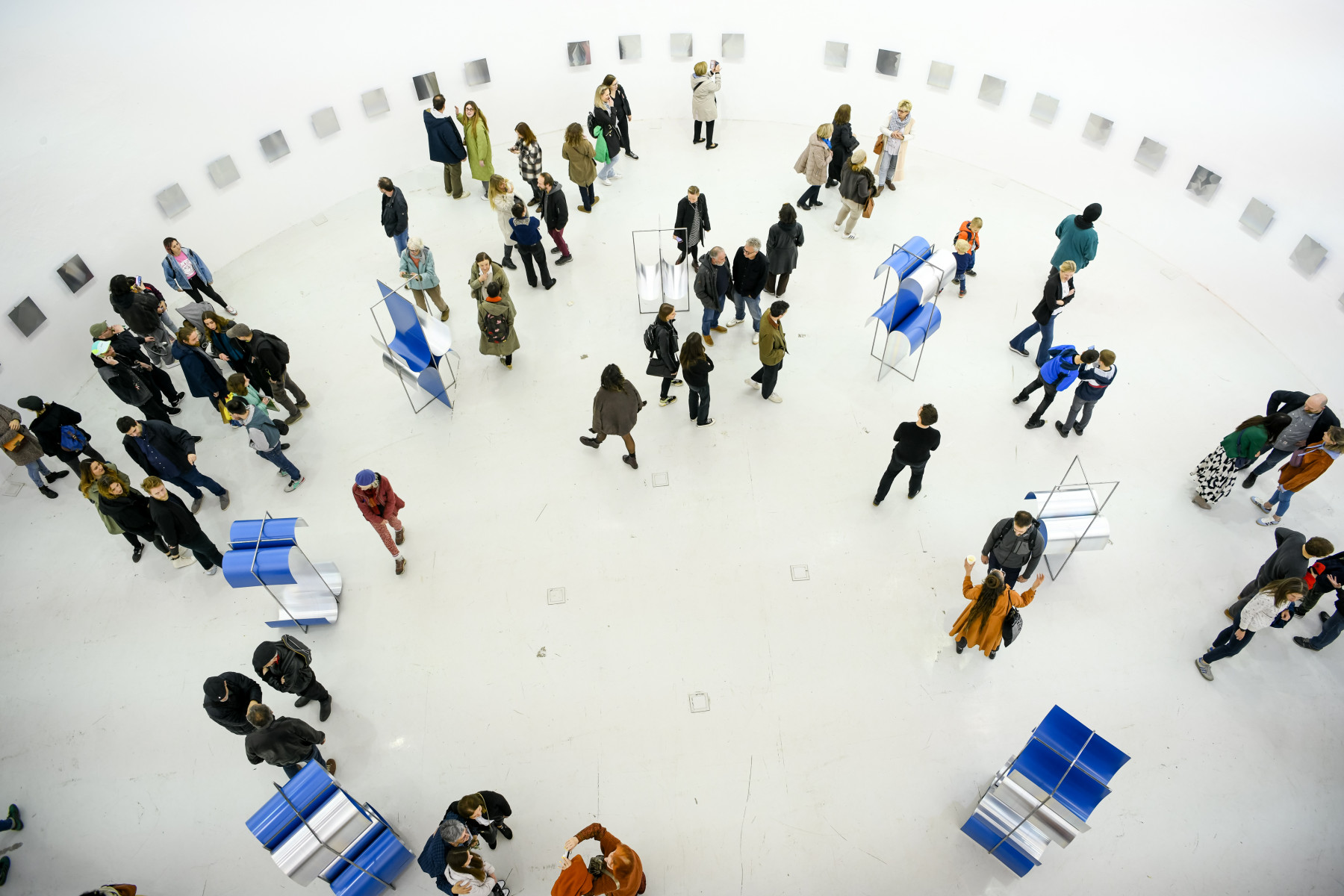
This attitude is most evident in the objects where the artist places aluminium offset plates within steel support. These plates are carefully arranged in the support’s grid—some vertical, some horizontal; some bent, while others have their surface covered with coloured paper. It is clear that the artist talks about the dialectics of the pictorial properties of the image, as well as its spatiality. He materializes the spatial illusionism inherent in painting
from its beginnings, which traditionally remains on the surface of the canvas. Now, to put
it simply, in minimalist language it speaks about the third dimension of the painting. In
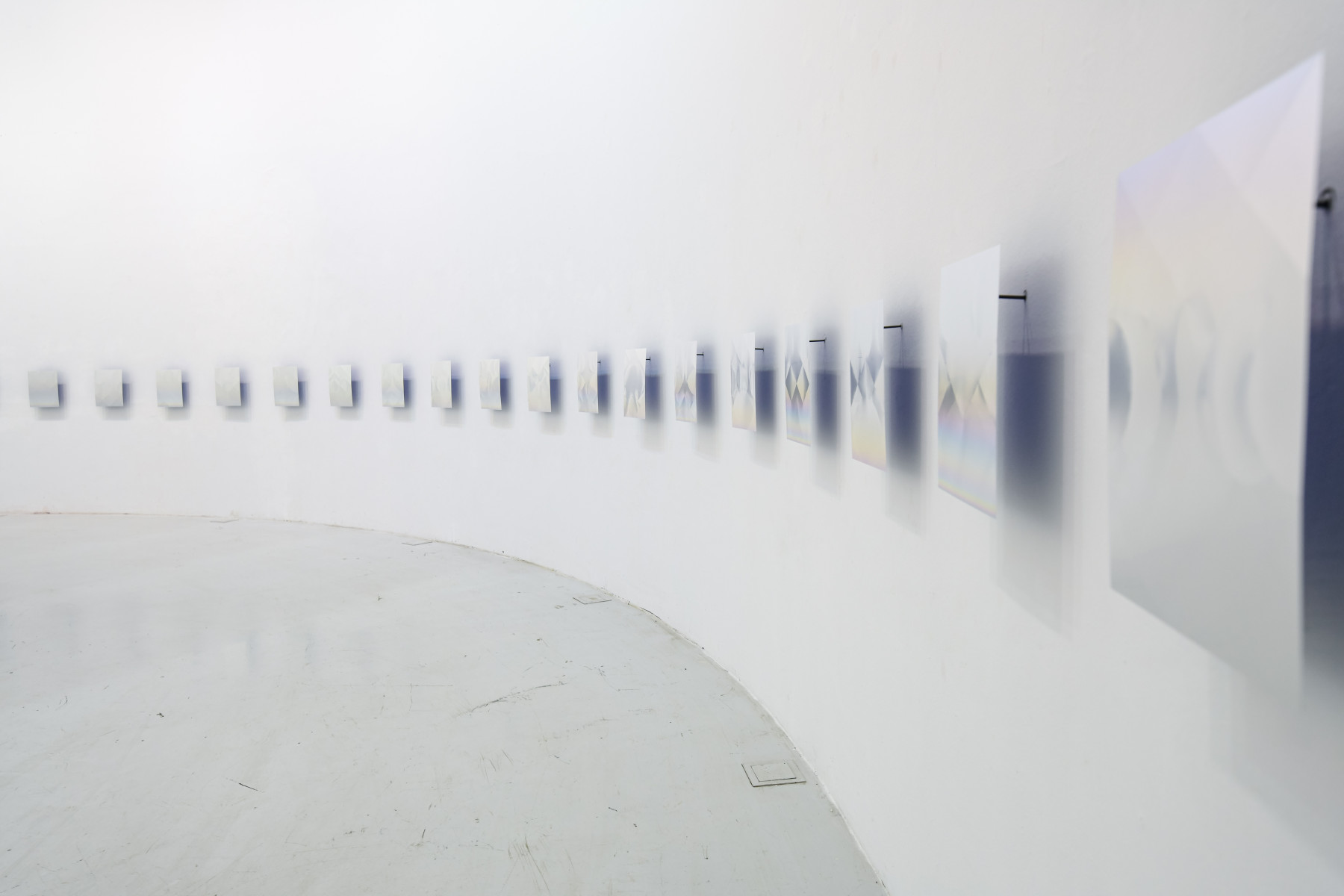
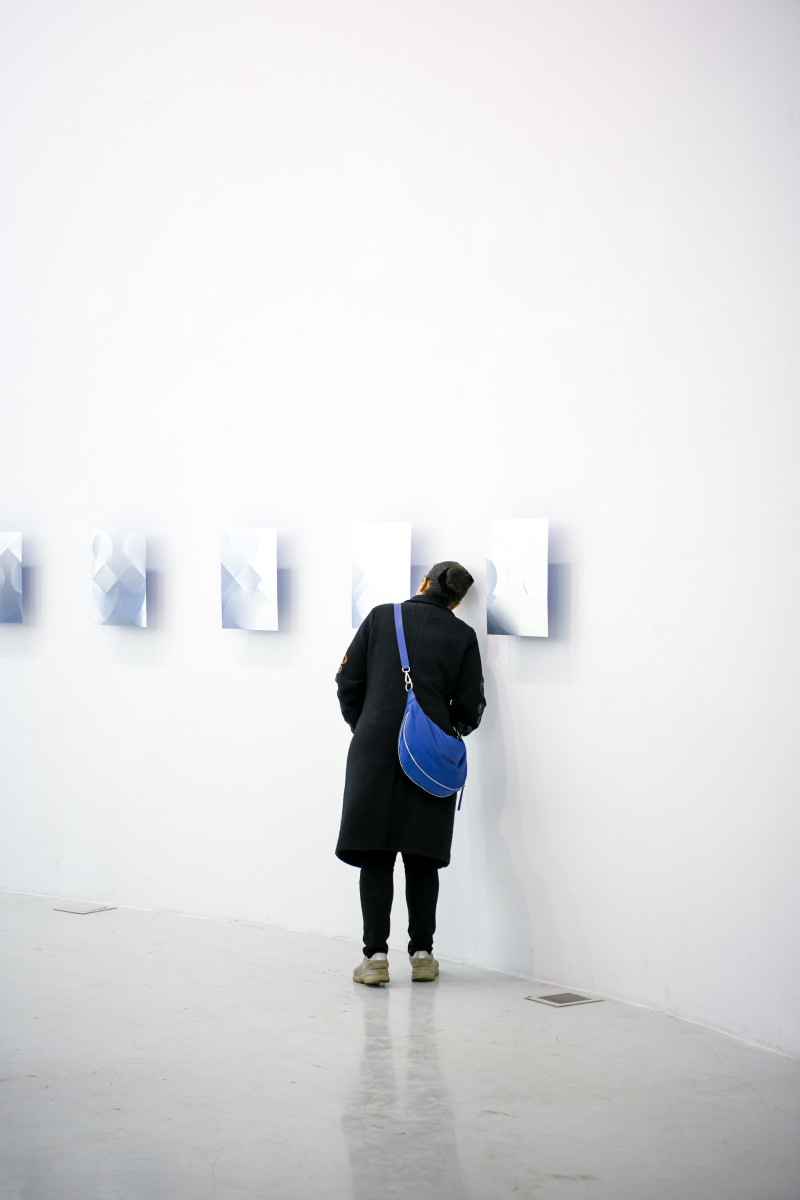
black and white, the composed paintings are created by applying paper to the canvas. Similar to the Palindrome series, these images lack a distinct beginning or end, as their segments can either continue or seamlessly connect to other paintings in the series. Analysing these works, I am reminded of Juraj Dobrović’s geometric explorations of the cube, as both cases involve analytical procedures characteristic of reductionist and self-referential painting procedures. It is interesting that Sobota conducts his analysis of the painting using nonpainting
tools, using a scalpel and compass instead of a brush. This is particularly evident in
the exhibited objects, where on the back of the aluminium offset plates, he inscribes circular
segments with a compass. Collaborating with natural and artificial light sources, the artist creates a camouflaged optical art where a shift in the viewing point moves the entire system of lines, transforming the fundamentally simplified two-dimensional painting into a third dimension. The suggestion of movement, rhythm, and play of light, perceived in the real space, contributes to the illusionary depth suggested by the artwork.
These works, where the emphasis lies more on thought and process rather than visual discourse, should primarily be viewed as a spatial fact representing an image that presents itself. The artist explores their fundamental nature using non-painterly means, resulting in carefully crafted works of high aesthetic coherence. This confirms that the possibilities for
exploring the essence of painting are endless and can be pursued through various methods,
as long as they serve genuine and exact painterly thought, as is the case with Sobota.